



 Progress:

McGuffin Creative Group: 20 Years (And Counting)

Call it the company inspired by a concept — and named for a cat.
But start here: 20 years ago, in 2004, George W. Bush was elected to a second term, NASA landed the Spirit and Opportunity rovers on Mars, the Dow Jones Industrial Average hit a high of 10,854 and Mark Zuckerberg launched a modest online platform he dubbed TheFacebook for Harvard University students.
At the same time, a micro-sized marketing and advertising agency spun off from its sister company, Maddock Douglas, taking up residence in a small office above a chain sushi restaurant in downtown Elmhurst, IL. Created to handle the project-based work its progenitor was veering away from, the new firm needed a name to go with its purpose.
That purpose, according to founder Chris Sculles, was clear from the get-go: to be a creative catalyst for making clients’ marketing goals a reality. Choosing a name, however, wasn’t so easy. Until Chris attended Thanksgiving at an artistically connected relative’s home in New York City.
Among the attendees at the dinner was a cat. Named McGuffin. Chris’s host explained that the cat was named for a film industry term coined by Alfred Hitchcock — the thing in a narrative that sparks the action.
And so McGuffin Creative Group got a moniker that matched its mission. Look what the cat dragged in.
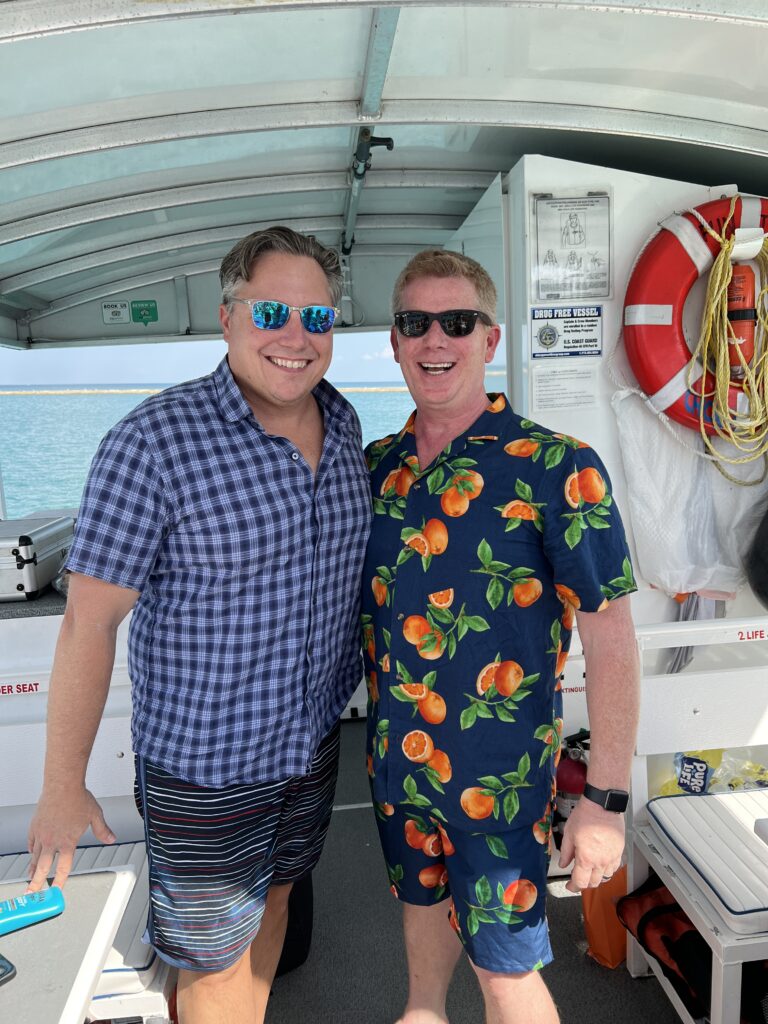
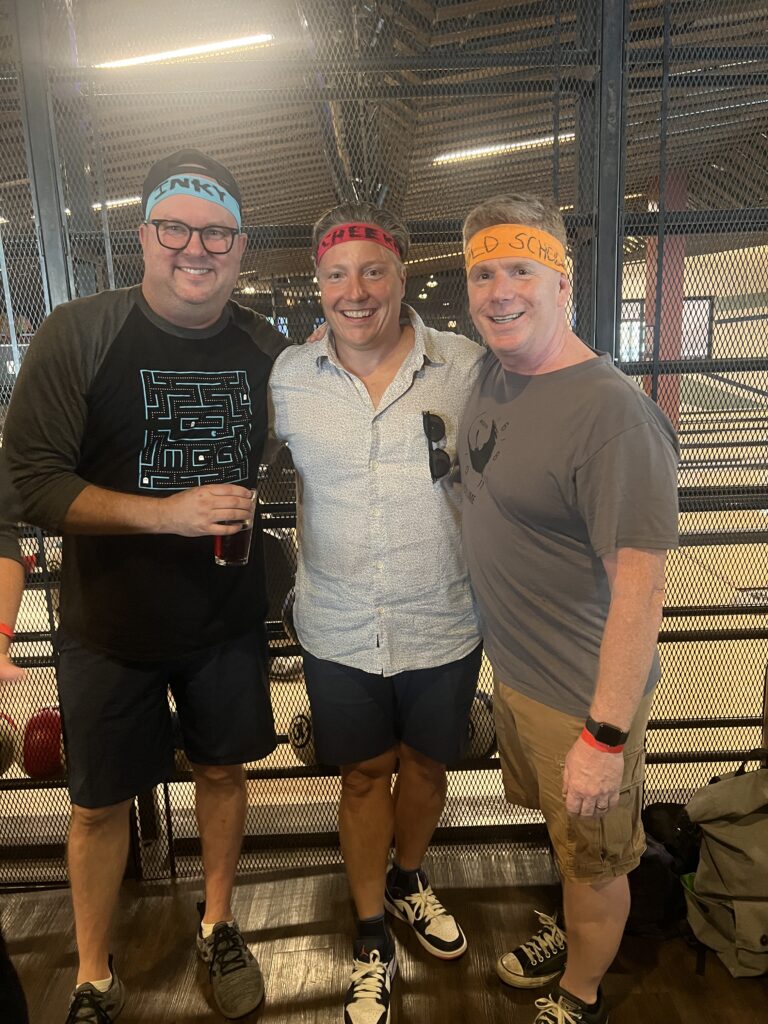
There have been countless times McGuffins have supported me and had my back over the years. Whether it’s developing creative solutions, late-night working sessions, or just raising a hand to help. The culture and teamwork here really make it a special place to work. The people here can really feel like family so much so that I had two McGuffins stand up in my wedding.
– Nick Orlandi, Account Director, McGuffin
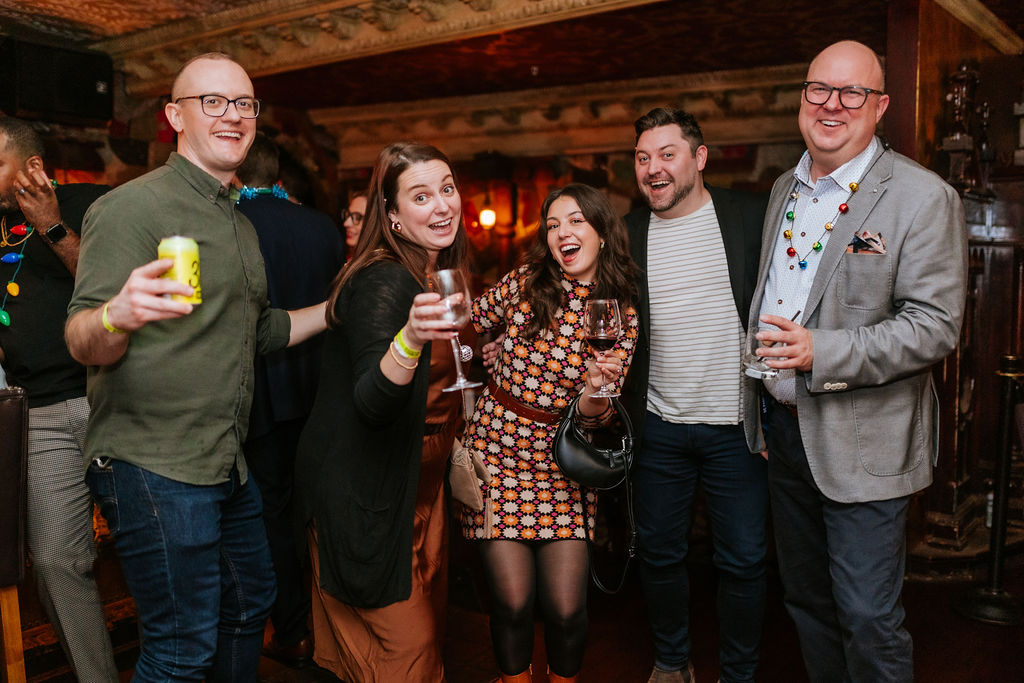
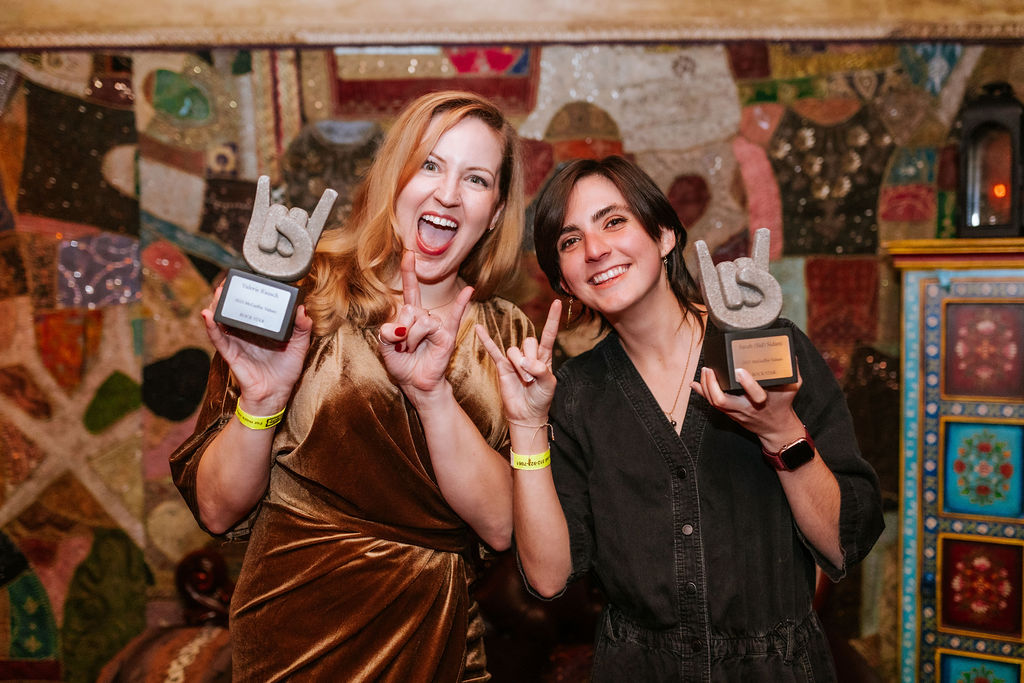
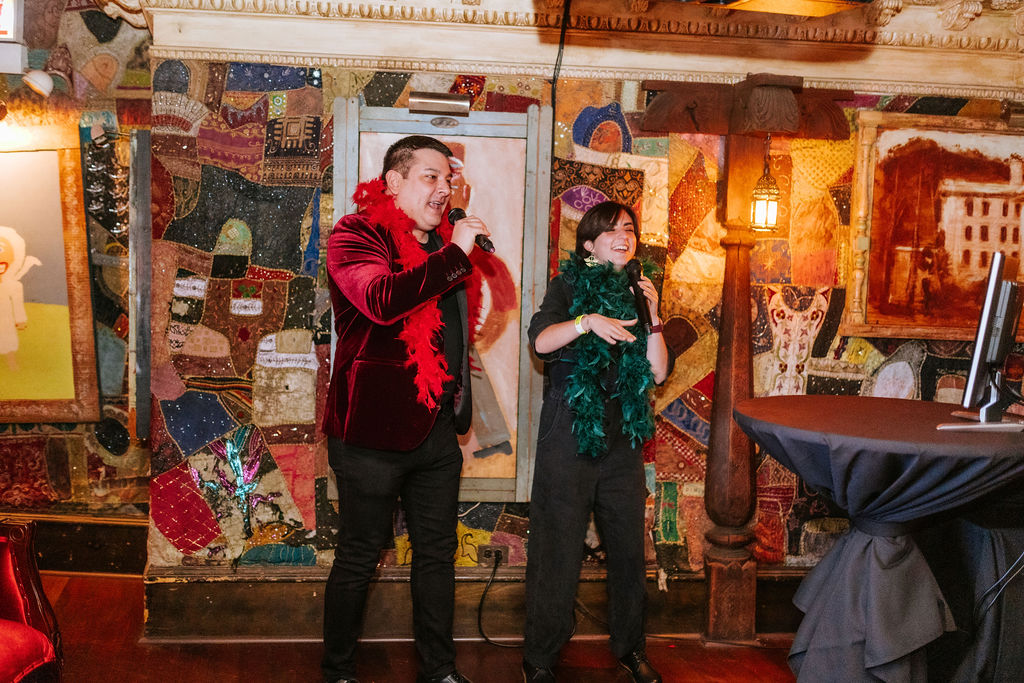
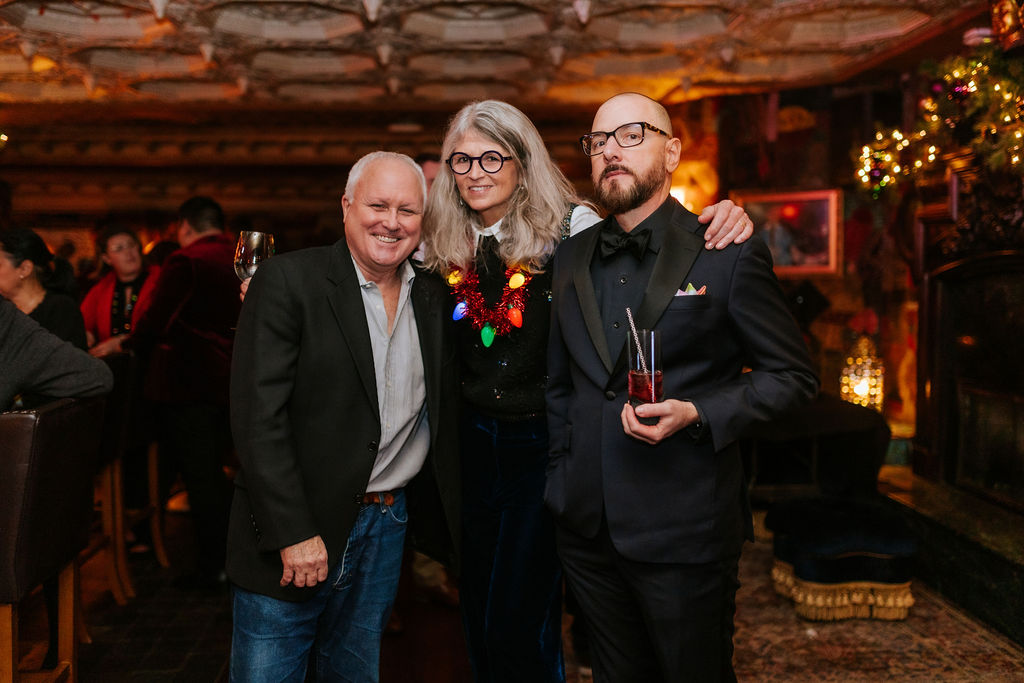
The swift addition of McGuffin co-partner and Director of Client Services, Betsy Fiden (another Maddock Douglas alum), gave the firm a core team to service existing clients and attract new ones. And that happened quickly.
“Harris Bank [now BMO], was looking for better work from people who weren’t just going to phone it in and had really great service,” Fiden says. “And time and again, our work won against bigger and way better-known agencies. I remember the first time Harris Bank called and said, ‘Hey, you guys do events? The Magnificent Mile Lights Fest is coming up.’ And we were like, ‘Oh, my god, are you kidding me?’”
“I had a rule: no more than seven employees,” Sculles says. “McGuffin would do cool logos and have a couple of projects at a time. But all of a sudden, the projects are coming in bigger and bigger and you’re like, ‘Damn, we need more people.’”
McGuffin is the type of place where the hierarchy of titles matters very little. Everyone rolls up their sleeves to do what needs to get done. And everyone is on the same team. I remember being in a sticky situation with a vendor and extremely nervous that I messed something up. Chris told me ‘No problem’ and we worked through it together. It makes it easy to do great work when you feel so supported.
– Danielle Filippone, Manager, Marketing & Brand, McGuffin
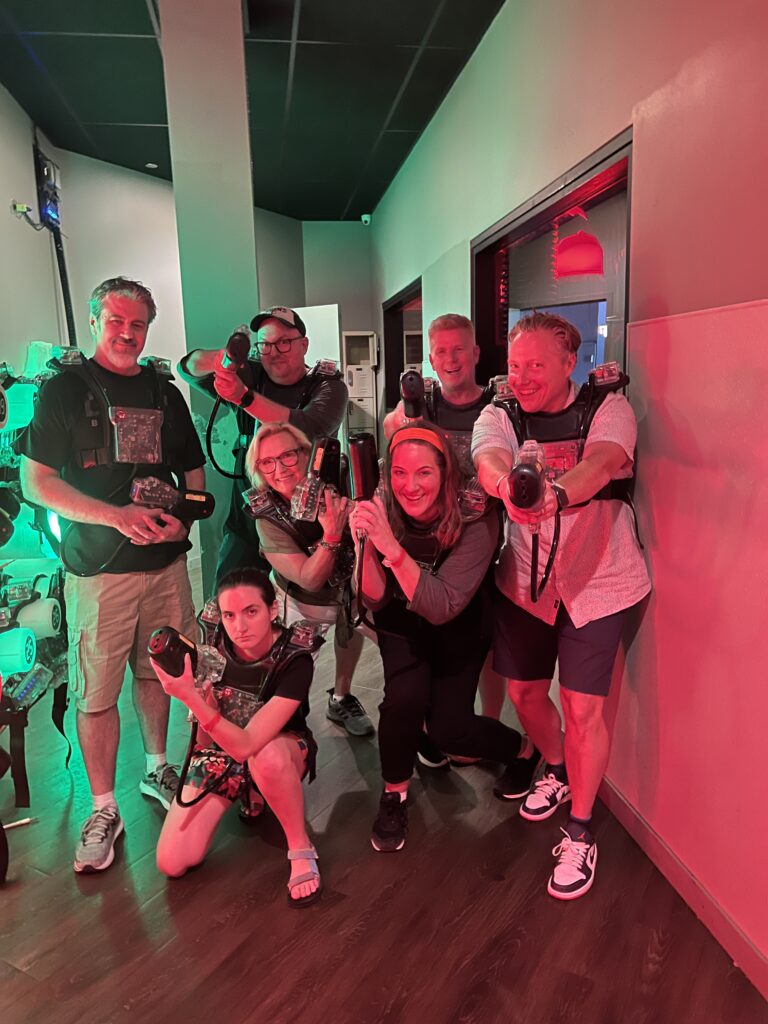


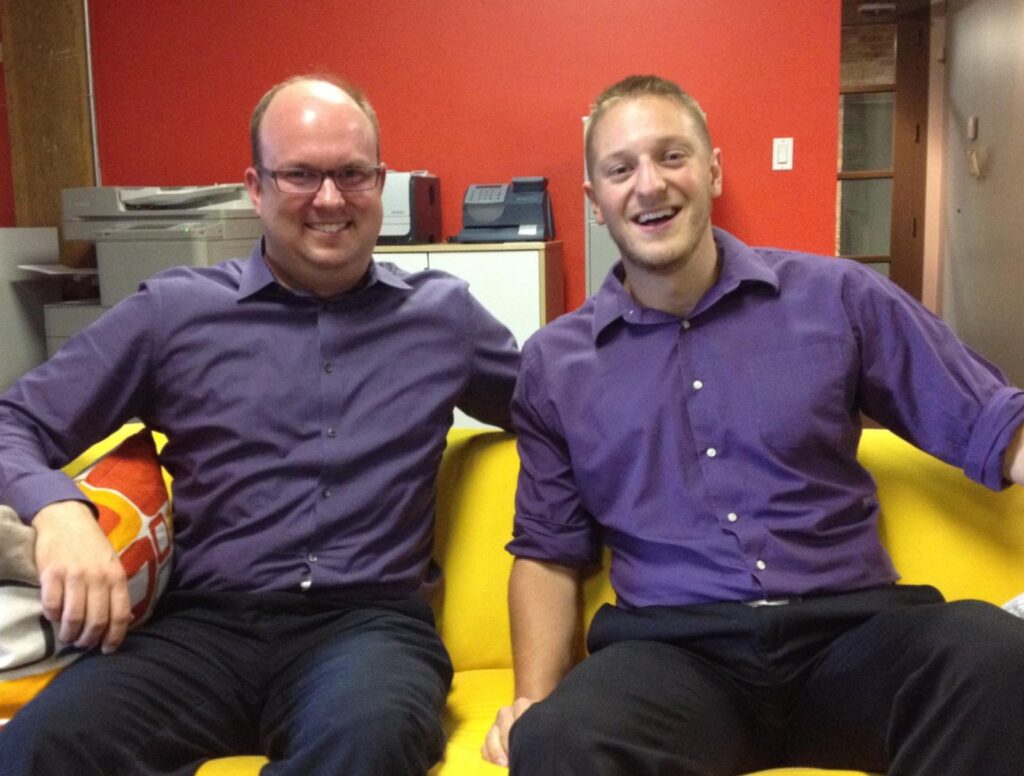
McGuffin moved downtown to a modest office in the West Loop, and — as client work and staffing needs skyrocketed — the firm eventually expanded to take over the whole floor, crashing through Chris’s plans for a small workforce and a small footprint.
“Once we realized we needed to grow, we also realized we needed to do it while keeping our quality and our culture,” Sculles says. “So that was a goal.”
As far as the building: “It was kind of funky, but it did seem really good,” Fiden says. “It was going to be a good space. And the building was solid. A solid B-minus, C-plus building in Chicago. We didn’t know anything about what that stuff meant and that the elevator would break down and there wouldn’t be air conditioning. And then it would flood two times, which you wouldn’t expect being four floors above street level. So it had iffy plumbing‚ but it had character.”
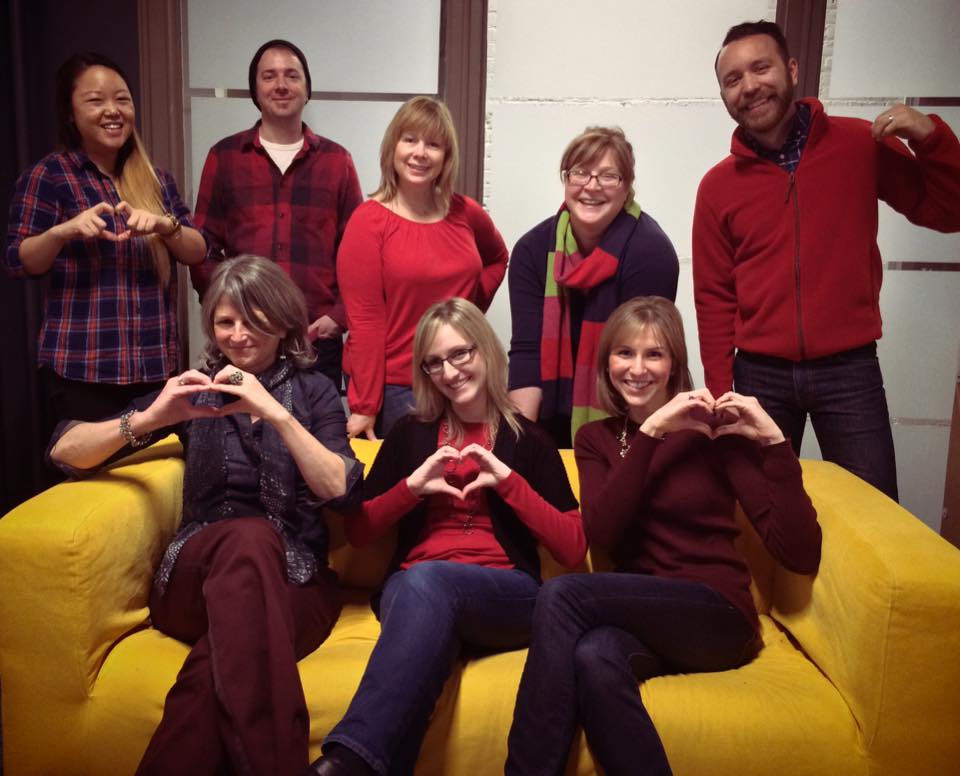

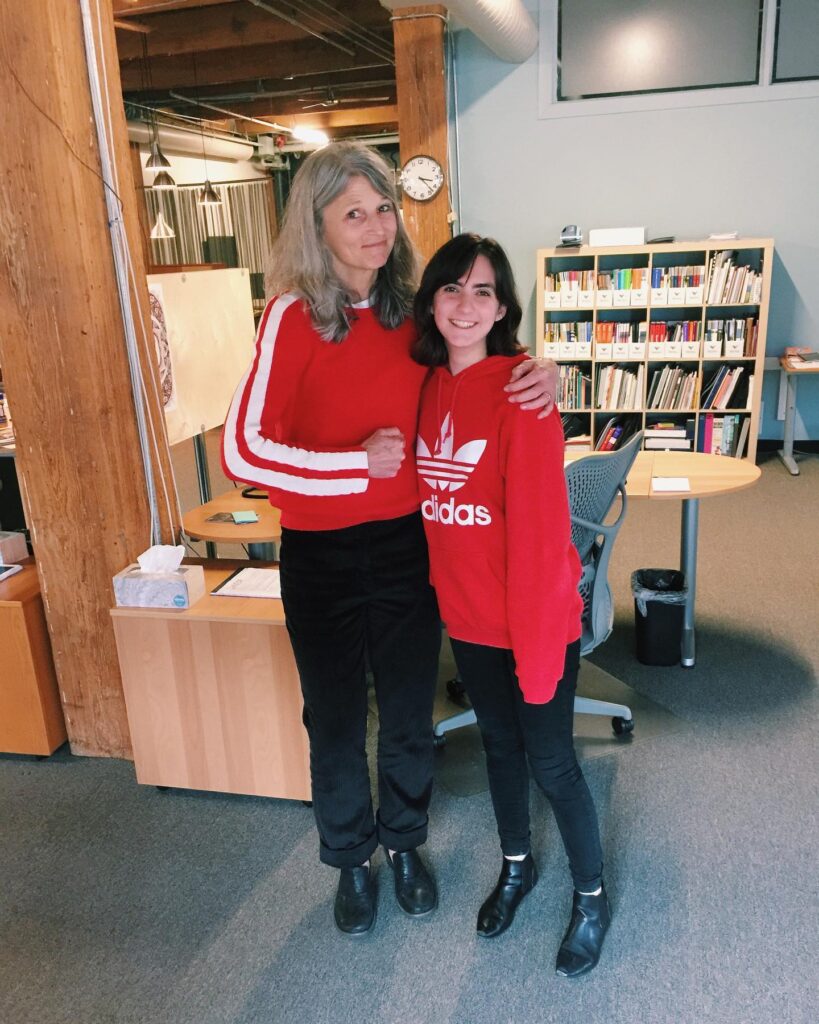
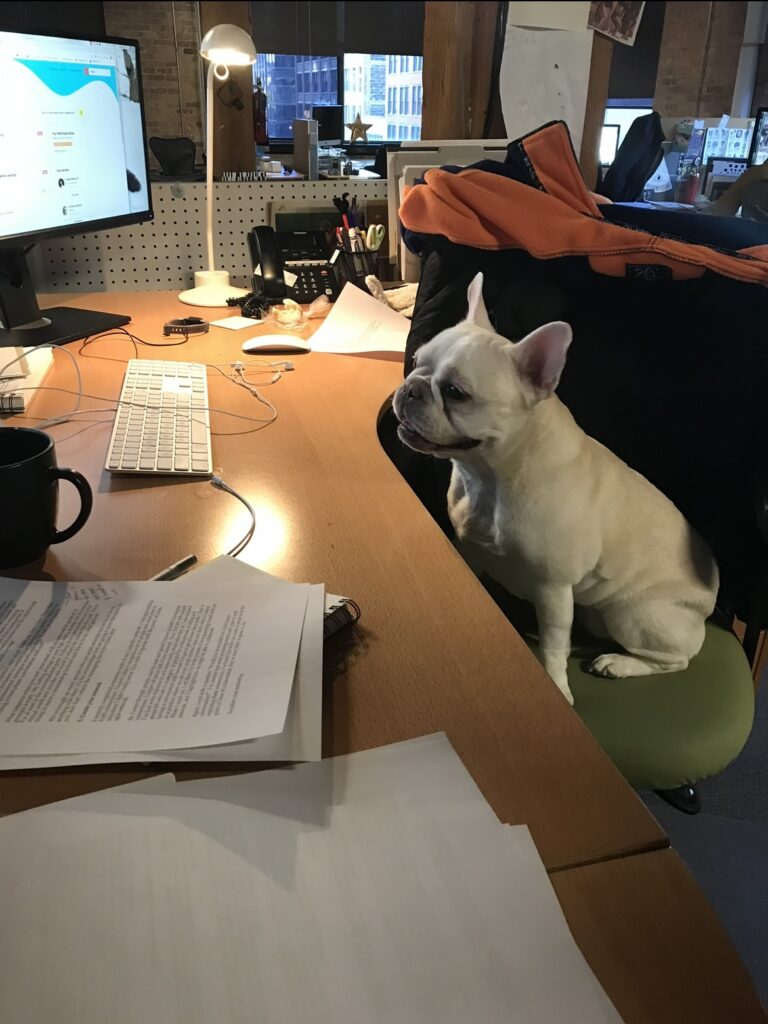
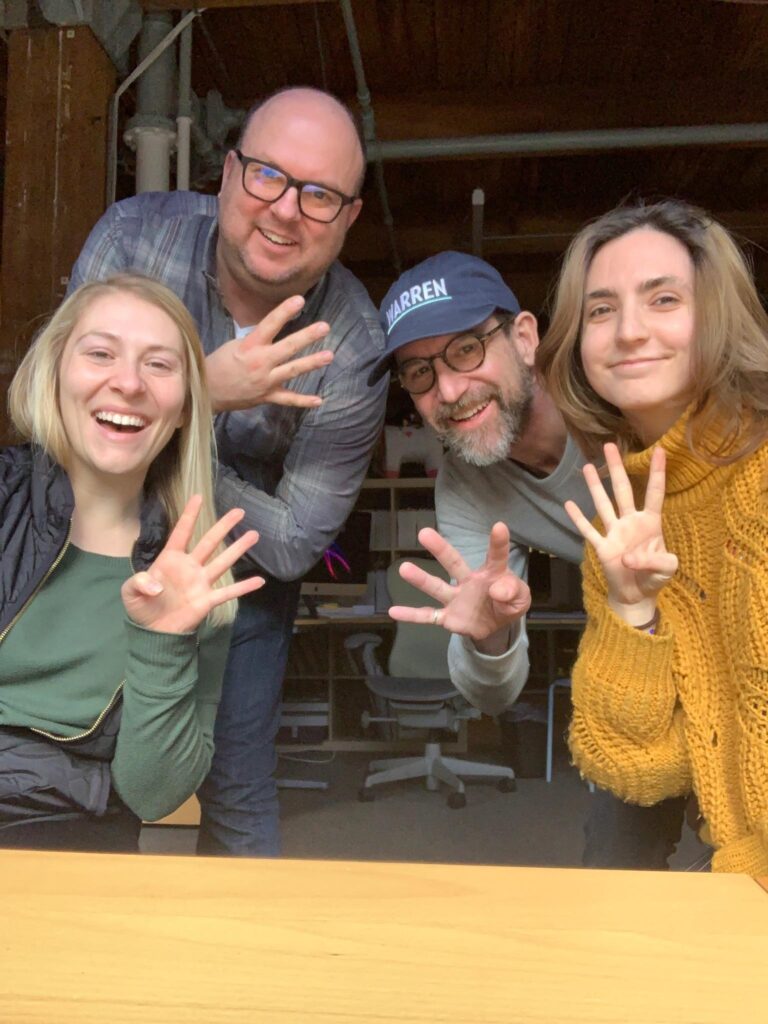
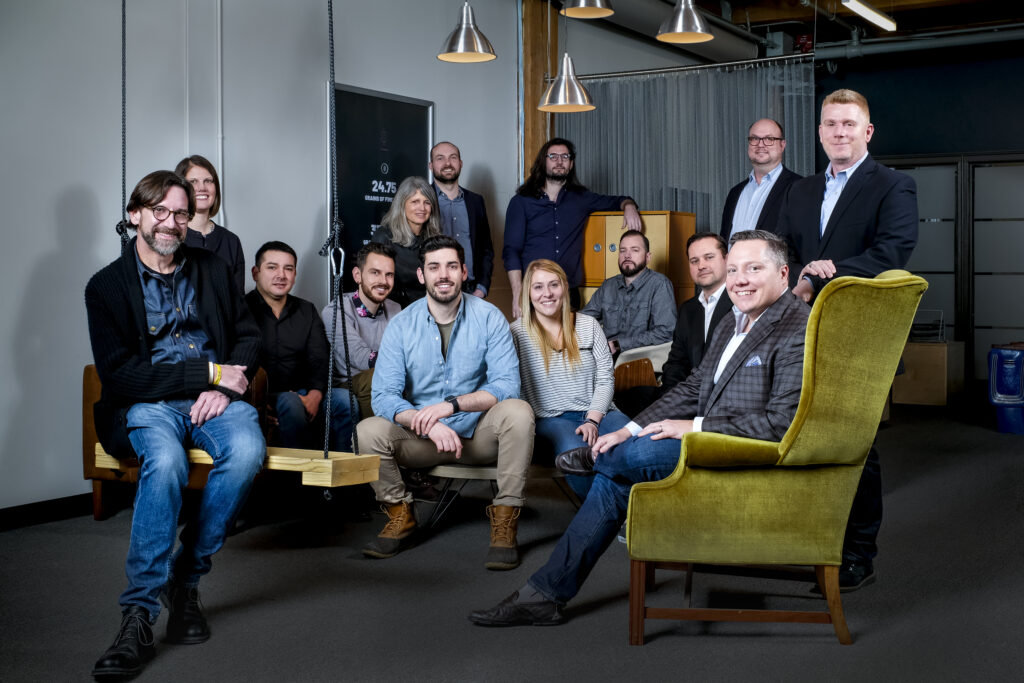
Over the past 12+ years, I’ve been consistently impressed by our agency’s ability to build lasting client relationships that evolve into genuine friendships. These connections often extend beyond work — employees and clients stay in touch across careers, sharing stories about their families, pets, and even hosting us in their homes. This speaks volumes about the partnerships McGuffin holds so valuable, and the culture that Chris and Betsy have created and maintained.
– Rob Anderson, Director of Client Services, McGuffin
Stuff happens over 20 years. The financial collapse of 2008. COVID. The decampment of one of our largest clients to Canada. But McGuffin has weathered it all. Is there a secret sauce?
“I don’t think it’s by accident,” Sculles says. “I do think we treat people, we’ve always treated people, well and with respect, and we know that people do this to support their real lives, which is not this. And we try and understand that. And I don’t think that ever changes. I don’t think we’ve ever veered from treating people the way we’d want to be treated.”
Chris also has the highest praise for McGuffin’s client service: “Client service matters. That’s why agencies get fired. It’s usually not the creative that blows it. Our account people are at the table — they’re a big part of the entire process.”
“Then there are fundamental things that don’t change at all,” Fiden says. “And maybe they even get harder. We have to be great magazine designers. We have to be great stewards of photography and long-form copywriting. I mean, people didn’t study that. There’s an expectation to be good at the fundamental aspects of what the industry was created on, but also to be adaptable enough to be able to bring great ideas to all the new platforms of communication.”
Culture. Curiosity. Creativity. And a cat. Maybe those things don’t guarantee success over two decades, but they’re a start. A 20-year start.
I’ve managed or worked with dozens of agencies, large and small, over the course of my career. What really makes an agency exceptional is that they become an extension of my team. They are on-site and engaged, they know the business as well as company employees, they bring value every day in their interaction with the brand, they are creative and push me to explore new ideas that raise awareness and increase engagement, they know my favorite bourbon and I want to spend time with them because developing personal relationships and having a shared vision is key to collaborating in a way that drives exceptional outcomes. McGuffin does this in spades. Happy 20th Anniversary, Team McGuffin! And here’s to the next 20 years of greatness!
– Jill Kremins, Former Chief Marketing Officer, BMO Harris Bank